
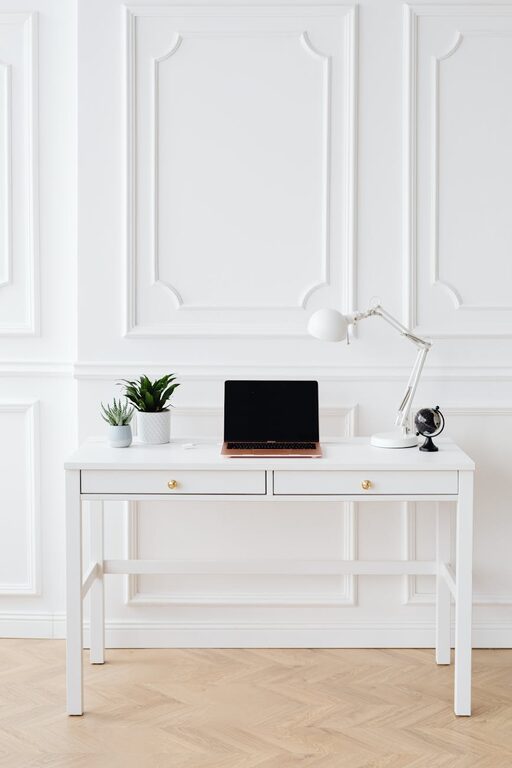
Creating a home workspace that is both relaxing and productive is key to maintaining focus and comfort throughout your workday. Whether you’re working full-time from home or just need a dedicated spot to get things done, a few thoughtful adjustments can make a big difference. In this post, we’ll explore simple tips to help you set up a workspace that encourages efficiency while also promoting relaxation.
Why a Relaxing Workspace Matters
When your workspace feels cluttered or stressful, it can be hard to focus on tasks. On the other hand, a calm environment lowers stress levels and helps your mind work more effectively. Striking the right balance means your workspace isn’t just a place to check off tasks, but a supportive zone where creativity and productivity can thrive.
Choose the Right Location
Start by selecting a spot in your home that suits your work style.
– Natural Light: Try to pick an area with plenty of natural light. Exposure to daylight can boost mood and energy.
– Quiet Environment: Look for a place that minimizes distractions like household noise or traffic.
– Separate from Relaxation Areas: If possible, avoid setting up your workspace in your bedroom or direct living room to keep work and relaxation distinct.
Invest in Comfortable Furniture
Your body needs support during long hours of work. Consider these essentials:
– Ergonomic Chair: A chair with good lumbar support can prevent back pain and help maintain good posture.
– Adjustable Desk: Standing desks or desks with adjustable heights provide flexibility to change positions throughout the day.
– Keyboard and Mouse: Ergonomic designs reduce strain on your wrists and hands.
Keep It Organized and Clutter-Free
A cluttered desk can be distracting. Here are ways to stay organized:
– Storage Solutions: Use shelves, drawers, or desk organizers to keep supplies tidy and within reach.
– Cable Management: Secure cords with clips or cable sleeves to avoid a tangled mess.
– Minimalist Setup: Keep only the essentials on your desk to maintain focus.
Add Calming Elements
Incorporate features that help you relax and recharge:
– Plants: Indoor plants improve air quality and add a touch of nature, which can reduce stress.
– Soft Lighting: Use lamps or adjustable lights instead of harsh overhead lighting to create a soothing atmosphere.
– Personal Touches: Photos, artwork, or inspirational quotes can make your space feel welcoming without cluttering it.
Create Boundaries to Separate Work and Life
Especially when working from home, it’s important to delineate your work time and personal time:
– Set Work Hours: Stick to specific start and end times.
– Use a Dedicated Workspace: Keep work materials confined to your workspace and avoid taking work-related items to other parts of your home.
– Take Breaks: Step away from your desk regularly to stretch, walk, or relax.
Optimize Technology and Tools
Smooth-running technology reduces frustration:
– Reliable Internet: Strong Wi-Fi ensures quick access to resources and meetings.
– Organized Digital Files: Using folders and cloud storage keeps your documents easy to find.
– Productivity Apps: Task managers, calendars, or focus timers can help keep you on track.
Incorporate Movement and Comfort Breaks
Taking short breaks to move can refresh your mind:
– Stretching: Simple stretches can relieve muscle tension.
– Walks: A quick walk outside boosts circulation and clears your head.
– Eye Care: Follow the 20-20-20 rule—every 20 minutes, look at something 20 feet away for 20 seconds to reduce eye strain.
Final Thoughts
Designing a home workspace that is both relaxing and productive doesn’t require expensive furniture or a lot of space. With some careful choices about location, furniture, organization, and ambiance, you can create an environment that supports your work and well-being. Remember that small adjustments can have a big impact on how you feel and perform every day.
Setting up your ideal workspace is a process, so experiment with what works best for you, and enjoy the positive changes it brings to your work-from-home routine.